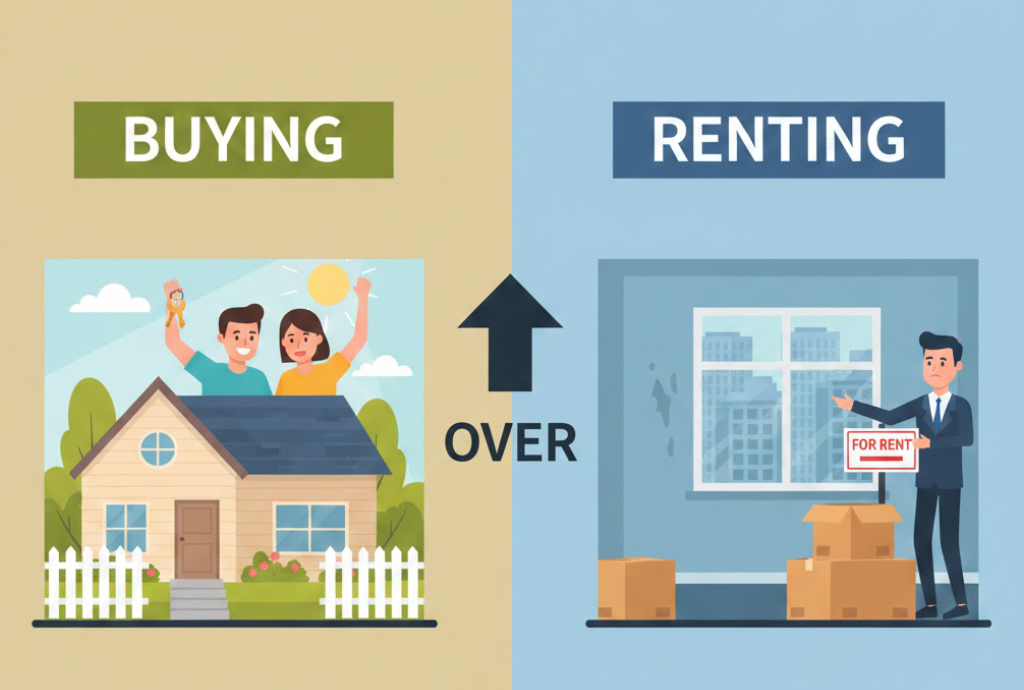
Unmasking the Hidden Costs of Buying Property in India: A Comprehensive Guide


Buying a home is often a lifelong dream and a significant financial investment. However, many buyers fall into the trap of setting a budget based solely on the base price advertised by developers. In reality, the total cost of a property can be 20% to 60% higher than the initial quote due to various hidden charges and statutory fees. Understanding these additional expenses is crucial to ensuring a smooth and hassle-free home-buying experience.
1. Government Taxes and Statutory Charges
These are mandatory fees paid to the government and are usually calculated as a percentage of the property value.
- Stamp Duty and Registration: This is one of the largest additional expenses, typically ranging from 5% to 8% for stamp duty and approximately 1% for registration, depending on the state.
- Goods and Services Tax (GST): GST is applicable only on under-construction properties. The standard rate is 5% for Residential Properties and 1% for affordable housing. Ready-to-move-in flats are exempt from GST.
- Tax Deducted at Source (TDS): For properties valued over a certain threshold (often ?50 lakhs), the buyer is responsible for deducting 1% TDS and submitting it to the Income Tax Department.
2. Preferential Location and Floor Charges
Builders often charge extra for units that have specific advantages.
- Preferential Location Charges (PLC): If a flat is corner-facing, park-facing, or located in a prime area, the builder may add a PLC ranging from 5% to 10% of the property value.
- Floor Rise Charges: In many cities, especially in high-rise buildings, the price per square foot increases as you go to higher floors. Conversely, in some regions like Delhi-NCR, lower floors might carry a premium.
3. Infrastructure and Amenity Fees
These charges cover the development of the project’s internal and external facilities.
- EDC and IDC: External Development Charges (EDC) are paid to the government for civic infrastructure like roads and sewage, while Internal Infrastructure Development Charges (IDC) cover landscaping and common areas within the project. These can add 4% to 9% to the total cost.
- Parking Charges: Parking is rarely included in the base price. Builders may charge between ?1 lakh to ?10 lakhs depending on the location and whether the parking is open or covered.
- Clubhouse and Amenities: Access to gyms, swimming pools, and sports facilities often requires a one-time fee ranging from 1% to 3% of the property value.
4. Maintenance and Utility Overheads
These costs are often demanded at the time of possession.
- Corpus Fund or IFMS: Builders collect an Interest-Free Maintenance Security (IFMS) as an emergency fund for major repairs.
- Advance Maintenance: Buyers are often required to pay 1 to 2 years of maintenance charges in advance at possession to cover housekeeping, security, and electricity for common areas.
- Utility Connection Charges: These include the costs for installing individual electricity meters, gas pipelines, and water connections.
5. Legal and Professional Fees
- Legal Charges: Engaging a lawyer for due diligence and reviewing the Builder-Buyer Agreement typically costs between 0.5% to 1% of the property value.
- Loan Processing Fees: If you are taking a home loan, banks charge fees for valuation, technical inspection, and processing, which can add up significantly.
6. Post-Possession Expenses
- Interior and Furnishing: The base price does not include interiors, modular kitchens, or wardrobes. Depending on the quality, these costs can range from 10% to 20% of the property's value.
How to Protect Yourself
To avoid financial surprises, always demand a detailed cost sheet from the builder that explicitly lists all these charges. Verify these costs in writing (preferably via email) and cross-check the fine print in the agreement to ensure there are no "hidden" clauses that might emerge at the time of possession.
Should I create a checklist of documents you should verify before making a property purchase?


.jpg)