What is RERA?


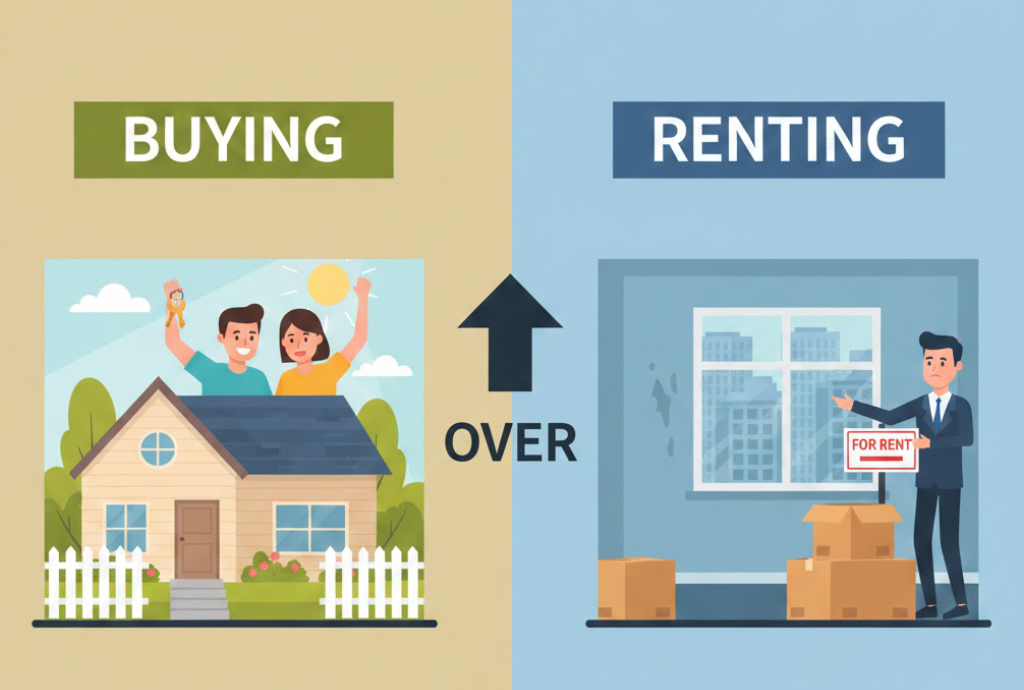
Friends, these days buying a house or a plot has become much easier compared to the past. Earlier, buyers used to face many problems. Builders would delay projects, disappear after taking money, or promise one thing and deliver something else. Complaints like these were very common. To solve these issues, the Government of India introduced a special law in 2016 called the Real Estate (Regulation and Development) Act, 2016, commonly known as RERA. This law came into force across the country on 1 May 2017. RERA means regulating the real estate sector properly and promoting planned development. Its main purpose is to protect homebuyers and make builders and developers work in a transparent and honest way. After the introduction of RERA, the real estate market has become more organized, trustworthy, and buyer-friendly.
How Does RERA Work?
Under RERA, every state has its own separate RERA authority. For example, Punjab has Punjab RERA, Maharashtra has MahaRERA, and other states have their own bodies as well. These authorities monitor and control real estate projects in their respective states.
If a project is larger than 500 square meters or has more than 8 apartments, the builder must register it under RERA. Advertising, selling, or booking any project without RERA registration is completely illegal. After registration, the builder has to submit complete project details such as land documents, approvals, layout plans, completion date, pricing, and amenities. All this information is available publicly on the RERA website, so buyers can easily check whether a project is genuine and what promises the builder has made.
Major Benefits of RERA for Homebuyers
One of the biggest advantages of RERA is protection against project delays. If a builder delays the project, they must pay interest to the buyer. The interest rate is the same as what the builder charges buyers for delayed payments. Buyers can either ask for a full refund with interest or wait for project completion and claim compensation.
Another important benefit is financial safety. Builders are required to keep 70 percent of the money collected from buyers in a separate bank account, known as an escrow account. This money can be used only for the construction of that specific project. This rule prevents misuse of funds.
If there are any construction defects or quality issues, the builder must fix them free of cost for up to 5 years after possession. RERA has also clearly defined carpet area, so builders can no longer charge extra by showing inflated super area. Any major changes in the project plan cannot be made without the consent of buyers.
Overall Impact of RERA
If a buyer has any complaint, it can be easily filed with the RERA authority. In most cases, decisions are given within 60 days, which is quite fast compared to earlier systems. RERA has not only empowered homebuyers but has also benefited honest builders by increasing trust in the real estate market. People now feel more confident while investing in property. In recent years, such as 2025–2026, some states have introduced even stricter rules. For example, Tamil Nadu has implemented a system of three separate bank accounts to further strengthen financial transparency.
In conclusion, if you are planning to buy a house or a plot, always check whether the project is RERA registered or not. Visit the official RERA website, enter the project registration number, and review all the details carefully. This simple step can save both your money and time, and help you buy your dream home without stress.



.jpg)